
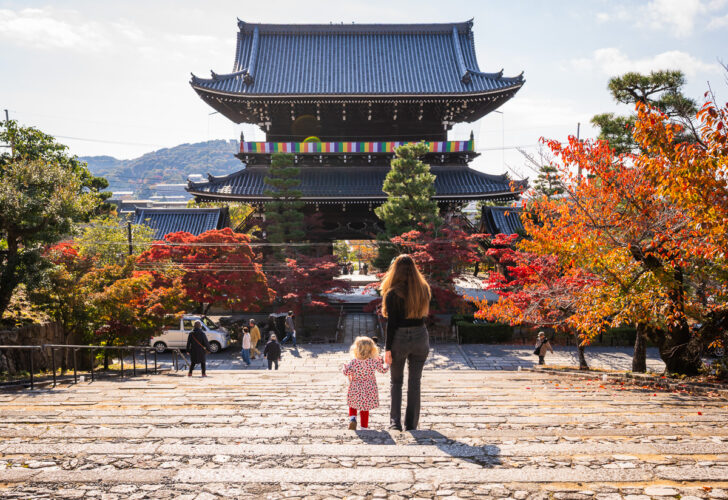
6 Reasons Why You Should Visit Japan As Soon As Possible.
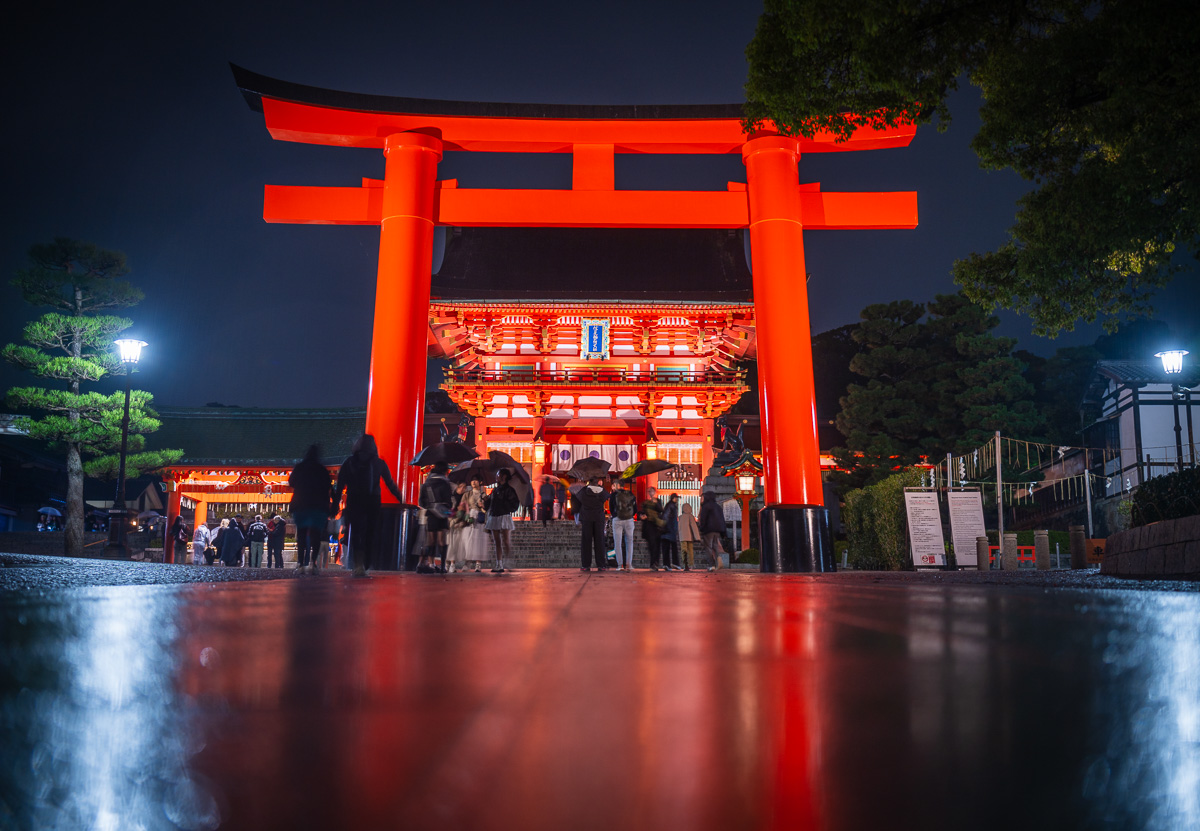
It’s no secret that we love Japan. We’ve been back repeatedly since our first visit, usually multiple times per year and for several weeks or months at a time. When friends or readers ask where in the world they should visit, our default answer is Japan and has been for over a decade.
It’s not as if Japan needs our endorsement. It isn’t exactly some obscure, off-the-beaten path hidden gem travel destination! To the contrary, ranking Japan at #1 on lists of places to visit has become cliche in the last several years.
It’s gotten to the point that the pendulum has swung in the other direction, with some travel resources that once sang Japan’s praises now pointing to “superior” alternatives just to offer unconventional wisdom instead of the same played out advice.
Given all of that, you might be wondering what new ground can possibly covered when it comes to recommending Japan as a destination? And why you should actually not wait, but rather, prioritize Japan as a place to visit ASAP, ideally in 2026? Well, let’s dig in…
Yen is Weakening Post-Iran War
Hear me out! Yes, this is an article specifically about why 2026 is an attractive time to visit and our opening point is one that everyone has made. Repeatedly. We are well aware that the “secret” is out and this point is thoroughly played out. Or is it?!
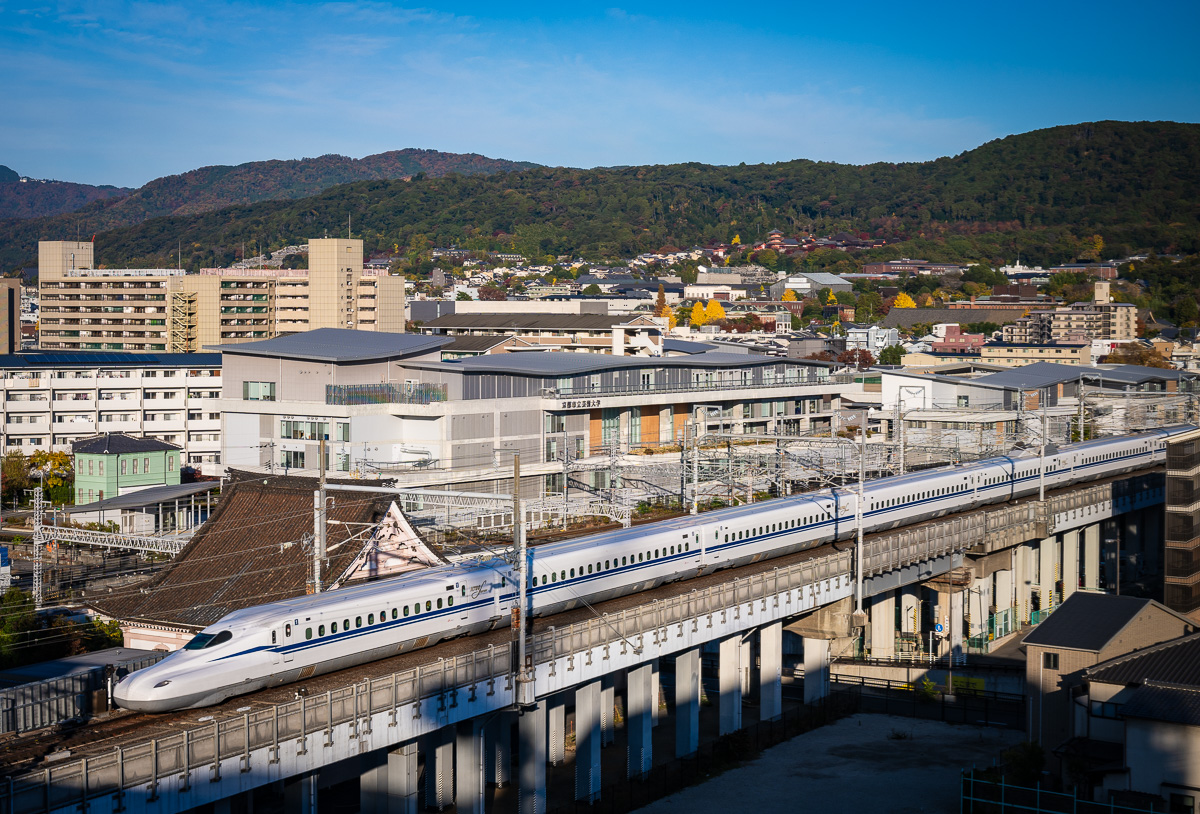
Over the last several years, the yen has fallen and the exchange rate has become incredibly favorable. It’s getting even better. As of Spring 2026, the yen is flirting with the 160 level against the U.S. dollar, nearing levels not seen in 39 years. The yen has lost ground against the dollar as oil prices soared after the start of the Iran war, with experts fearing this is going to get worse–and trigger Japanese intervention, buying yen to (theoretically) support its currency.
To put this into perspective for those are are unfamiliar with traveling to Japan or foreign currency, a good/normal rule of thumb used to be a 100:1 exchange rate. Now, it’s over 150:1. I’m no mathematician, but that’s a massive improvement.

It’s also on top of the lower baseline prices in Japan. The cost of living is lower in Japan, driven by lower average household incomes. Inflation has heated up in Japan, but it’s still far below the US, post-COVID. The bottom line is that the real effective exchange rate of the yen has hit its lowest level in 50 years. This is largely due to the divergent approaches between central banks in the United States and Japan.
While the Federal Reserve and many other central banks were compelled to raise their interest rates sharply in 2022 to combat elevated inflation, the Bank of Japan kept its policy rate negative. More recently, the BOJ has finally started raising rates to the current 0.75%. That’s still lower than the current U.S. federal funds rate and Japan’s CPI inflation, meaning Japan’s real interest rate is still negative.

For the last few years, we’ve been reading various analyses explaining why this is unsustainable. The latest of which is “Weak Japanese yen is a ticking time bomb.” That’s a good explainer if you want the “why” of a stronger yen being an inevitability. Also consider the words of Japan’s Finance Minister, the recently-selected Satsuki Katayama, who has stated that she believes the fair level of USD:JPY is between 120 and 130. Given that, a target of 125 seems reasonable.
On the other hand, there’s the election of Sanae Takaichi as prime minister late last year. She has called for fiscal stimulus and supports keeping the Bank of Japan’s key interest rate at its current level as the public struggles with high living costs. So perhaps the already-weak yen will actually get weaker before it gets stronger, hitting the 160 level!
Crowds Will Keep Increasing
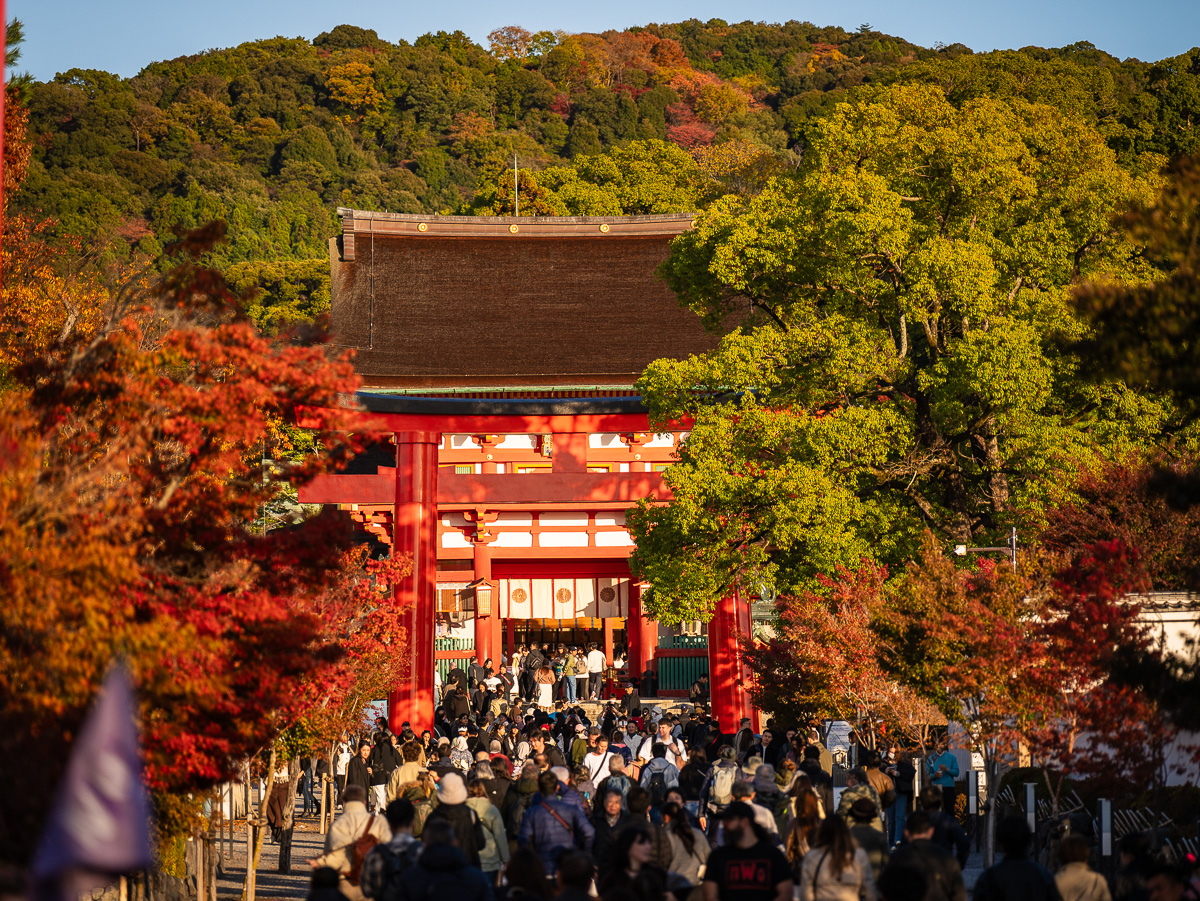
We’ve heard from several readers and friends who have postponed visits to Japan over the last few years, operating under the assumption that they’re going to “wait out” the crowds and visit after the pent-up demand period is over. We believe this is a major mistake, and the data bears this out.
The number of foreign visitors to Japan topped 36.87 million in 2024, setting a new annual record. That surpassed the previous full-year high of 31.88 million set in 2019 by a whopping 5.59 million people, according to the Japan National Tourism Organization (JNTO). Every single month of the year recorded at least 30% growth compared with the same month of the previous year. Given that, maybe waiting was the right call?
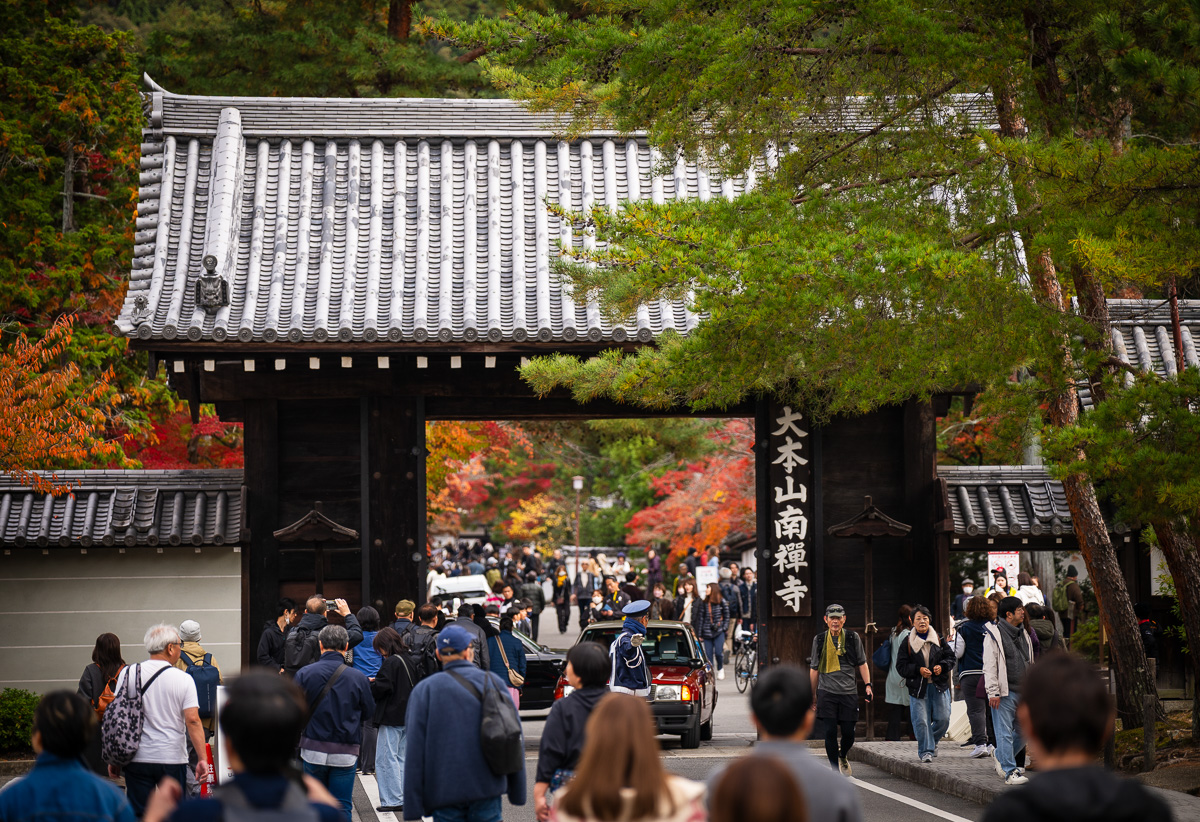
Definitely not. Japan reported a record 42.7 million international visitors in 2025, which was a more than 15.8% increase on the previous high, and the first time the country broke the 40 million barrier. There were multiple months last year that saw year over year growth of ~20%, which is absolutely astounding.
It’s also unsurprising. The government’s stated goal is attracting 60 million foreign visitors to Japan annually by 2030. That’s an increase of ~20 million over 2025’s number, which is both difficult to fathom and perfectly believable given the YoY increases in the last 3 years.
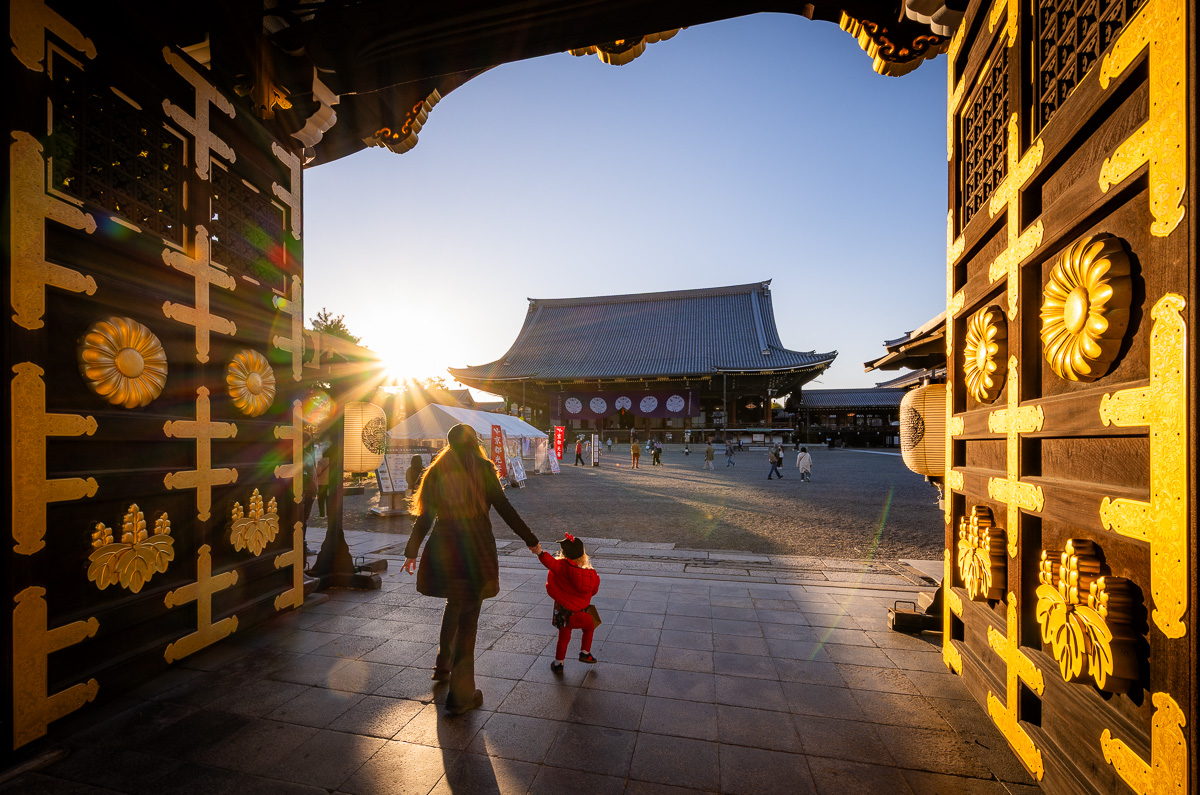
It honestly seems impossible for Japan to sustain 60 million foreign tourists from an infrastructure perspective alone, everything from inbound flights to airport capacity to train stations would need massive upgrades in the span of 5 years. Regardless of what’s sustainable, the 60 million barrier will be broken in 2028 at the current trajectory.
This is precisely why we visited ASAP when the border reopened in 2022 and have made regular return visits since. The best time to visit Japan was in the past. The next best time is now. Waiting for a slowdown is a fool’s errand. The best you can do is time your visit to coincide with less crowded times of the year, or opt for less touristy places.

The Panda in the Room
The very good news is that the trajectory actually does not support an increase in 2026. So scratch what we wrote in that last paragraph above! To the contrary, the number of foreign tourists to Japan is expected to drop by 3% in 2026 against last year, to 41.4 million, according to a new estimate released by JTB, which is Japan’s largest travel agency. (That’s still the second-highest number ever, so worse than 2024 but better than 2025!)
And in fact, this is already happening. The number of foreign visitors to Japan in January 2026 dipped 4.9% from a year earlier to 3.60 million. This was the first drop in 4 years, since January 2022 during the COVID-19 pandemic, with the JNTO noting that the decline could also be attributed to the Lunar New Year falling in mid-February this year and a reduction in the number of flights between China and Japan.
Notably, a total of 385,300 people visited Japan from China in January, plunging 60.7 percent from the previous year.

The biggest reason behind the expected drop is a sharp decrease in Chinese tourists. Visitors from China accounted for about 20% of the total to Japan, which was the single largest source of foreign tourists last year. However, the Chinese government has called on its citizens to refrain from traveling to Japan, and the impacts of this have already been felt.
Following remarks by the Japanese Prime Minister Sanae Takaichi about Taiwan, the Chinese government urged its citizens to stop visiting Japan. Chinese airlines reduced or suspended flights to Japan, slowing the number of Chinese travelers. Hotels in Japan reported an immediate spike in cancellations, with malls and luxury retailers seeing a sharp slowdown in sales.

As a result of the Chinese travel boycott, Japan could see year-on-year growth dip into negative territory in the coming months due to flights and accommodations being canceled amid the recent chill in relations between Japan and its top source for inbound foreign travelers.
Even before the boycott, China saw subdued traveler volume for Japan. Whereas visitors from South Korea, Europe and the U.S. had smashed past 2019 levels, China still remained below those levels. This was attributed to China’s economic downturn, but numbers had started to turn a corner and China was expected to be a tourism growth engine for 2026.

Fewer Hoops & Fees
Japan is set to significantly increase taxes for travellers leaving the country, tripling the current departure levy from JPY 1,000 to JPY 3,000 per person, effective from July 2026. The government has also announced plans to introduce additional entry inspection fees by 2028, citing pressures from over-tourism and rising fiscal constraints.
The departure tax was first introduced on January 7, 2019, and applies to travelers departing Japan by air or sea, regardless of nationality. The departure tax will be automatically added to airline and ferry tickets, with exemptions for aircraft crew and transit passengers departing within 24 hours.

Japan also plans to introduce the Japan Electronic System for Travel Authorisation (JESTA) by 2028. Fees for this pre-screening system for travellers from visa-free countries are expected to range between JPY 2,000 (approximately HKD 100) and 3,000 (approximately HKD 150) per person, which would bring total travel charges (including departure tax) to roughly JPY 5,000 (approximately HKD 251) to 6,000 (approximately HKD 298) per traveller.
The Japanese government is also mulling whether to limit or eliminate the duty-free shopping exemption for purchases over ¥5,000 at participating retailers. By showing your passport, you can avoid paying consumption tax on electronics, cosmetics, clothing, and souvenirs. Under one proposal, this would be refunded at the airport; under another, it would be eliminated entirely.
With a record influx of international tourists and the weak yen, expect to see Japan do more along these lines in the years to come. Japan will need to do so out of economic necessity; they will also want to do so out of economic practicality, as the country does not want to develop a reputation as a budget travel destination.

It’s Only Going to Get Worse
Our biggest regret when it comes to Japan travel is that we didn’t start visiting sooner.
This is a common refrain. Aside from at the very beginning of the post-COVID reopening, I cannot recall receiving any feedback from readers wishing they waited to visit. And even then, those early birds benefited from lower crowds, something that wouldn’t become apparent until later.
What we have heard a lot is sentiment similar to ours. Japan becomes a familiar favorite, a repeat destination that travelers revisit, sometimes year after year. Many of these travelers, us included, lament that we didn’t start visiting sooner. Part of this is probably that the ‘grass is always greener.’ We hear romanticized stories of the past, and wish for that which we did not have.

However, I’m not entirely sure that’s it. There’s the undeniable objective reality that crowds have increased in touristy areas due to the aforementioned record-setting inbound traveler numbers. Over a longer time horizon, this is only likely to continue, not relent.
Then there are a variety of little, less-measurable ways that it seems like Japan used to be better. The caliber of service, attention to detail, and way that the country was welcoming to tourists unlike anything we’ve ever experienced elsewhere. All of this still exists, so if you’re a first-timer, it’s likely you still feel all of this. But it has been lessened.
Honestly, this is unsurprising and expected from a simple “something’s gotta give” perspective. Japan increasing its visitor volume cannot come without unintended consequences. As the country serves more foreign visitors from different cultures, all while having an aging population of its own, it stands to reason that things would slip: service standards, hospitality, patience, etc.

That the famously insular and polite culture would face hard realities in greeting growing foreign tourist numbers. There’s more of a clash between locals and tourists, and diminished tolerance for visitors. A realization that the old way simply wasn’t sustainable, or that expecting foreign visitors to mind cultural manners is unrealistic.
There have been examples of this in the last several years, with things like polite signage and messaging campaigns that have gradually escalated into more forceful and less polite action. None of this is a value judgment. (Some of the underlying explanations for this are a bit charged, and we’re not looking to litigate or inflame any of that; from our perspective, this is an it is what it is type of thing, and we’re not particularly concerned with the socioeconomics or politics of it.)
As someone who lives in a touristy place that has seen an influx of visitors, I’ve likewise watched this play out locally. The tension is natural. If foreign visitor numbers keep increasing, it will only worsen. There are other reasons to expect this trend to continue, all flowing from the aging population that will necessitate Japan becoming less insular. Those are beyond the scope of this post, but are likewise an inescapable reality–it’s an economic imperative.

Japan’s Been Preparing to Welcome You
Let’s end on a positive note. The previous point suggests that everything was better in the past, which is simply untrue. Part of the reason why more people are visiting Japan is because it’s easier than ever. Japan has more tourists because it’s rolled out the welcome mat, as part of a concerted effort undertaken ahead of the Tokyo Summer Olympics.
Watching Japan prepare for the Olympics was both fun and fascinating. Projects were undertaken from Tokyo to Kyoto, everything from massive infrastructure improvements to temple refurbishments. Then there were the more iterative improvements aimed at streamlining processes and the influx of tourists that had been increasing even prior to the Summer Games as part of Abenomics.

We were really excited to experience the Summer Olympics, and had been paying close attention to how Japan would deal with crowd logistics in Tokyo and beyond everywhere, and was cautiously optimistic that they had a plan to pull it all off. Alas, that did not happen. Those Summer Games came and went with little fanfare, and without an influx of visitors for the Olympics.
However, what was built or improved for the Tokyo Olympics still exists…and is waiting to be used by foreign visitors. And, as discussed above, that influx has happened. It took a few more years than expected, but Japan is breaking its 2019 records.
It’s never been easier to visit Japan thanks to these tourism infrastructure improvements. I still remember our first visits, which left us impressed by the technology of Japan…but also confounded by just how low-tech so many processes were. A lot was still done via pencil and paper, the country was mostly cash-based, and very little was digital. It was quite the contrast, but then again, such is Japan’s nature.

Fast-forward to 2026, and virtually everything is streamlined. We just had our most efficient entry (and exit) upon arrival into Osaka and departure from Tokyo, and that was despite long lines. Using Apple Pay or IC cards via our phones or watches is a breeze; we almost never use cash anymore, outside of random ramen shops, temples, and other mom & pop establishments.
Technology has likewise made massive strides. Google Maps, Translate, and other apps are absolute gamechangers. These have been around for a while, but they keep getting better. Translate apps, in particular, have made tremendous strides. I remember when these were utterly useless in Japan. They now work brilliantly. There are so many other incremental improvements that we undoubtedly take for granted because we’ve become so accustomed to them.
As much as I love the idea of visiting the Japan of the 1980s or 1990s in theory, I cannot imagine doing so without modern-day technology. As someone who is, ahem, navigationally-challenged, I fear that I’d be perpetually lost without my phone. So it’s easy to romanticize the past, but if we’re being honest with ourselves, there’s a lot of upside in the here and now.

Bonus: Anniversary Events
This is a bonus entry because it won’t matter to most of you, but maybe it’ll move the needle for some. Two of our favorite theme parks in the world, Universal Studios Japan and Tokyo DisneySea, are celebrating milestone anniversaries in 2026 and 2027.
The Tokyo DisneySea 25th Anniversary “Sparkling Jubilee” will be presented from April 15, 2026 through March 31, 2027. This special event will feature new entertainment, colorful park decor, food and beverages, and of course, adorable merchandise. Above all, there will be a festive atmosphere for the event. We’ve done several TDR milestone anniversaries and have had fantastic experiences.
Starting on March 31st, 2026, Universal Studios Japan will proudly celebrate the milestone of its grand opening way back on March 31st, 2001. The celebration will run for a full year, through March 30, 2027. This event is called “Discover U!!!” It’ll offer many of the same things as the Tokyo DisneySea event, plus Pikachu. A ton of Pikachu. Should be a good time!
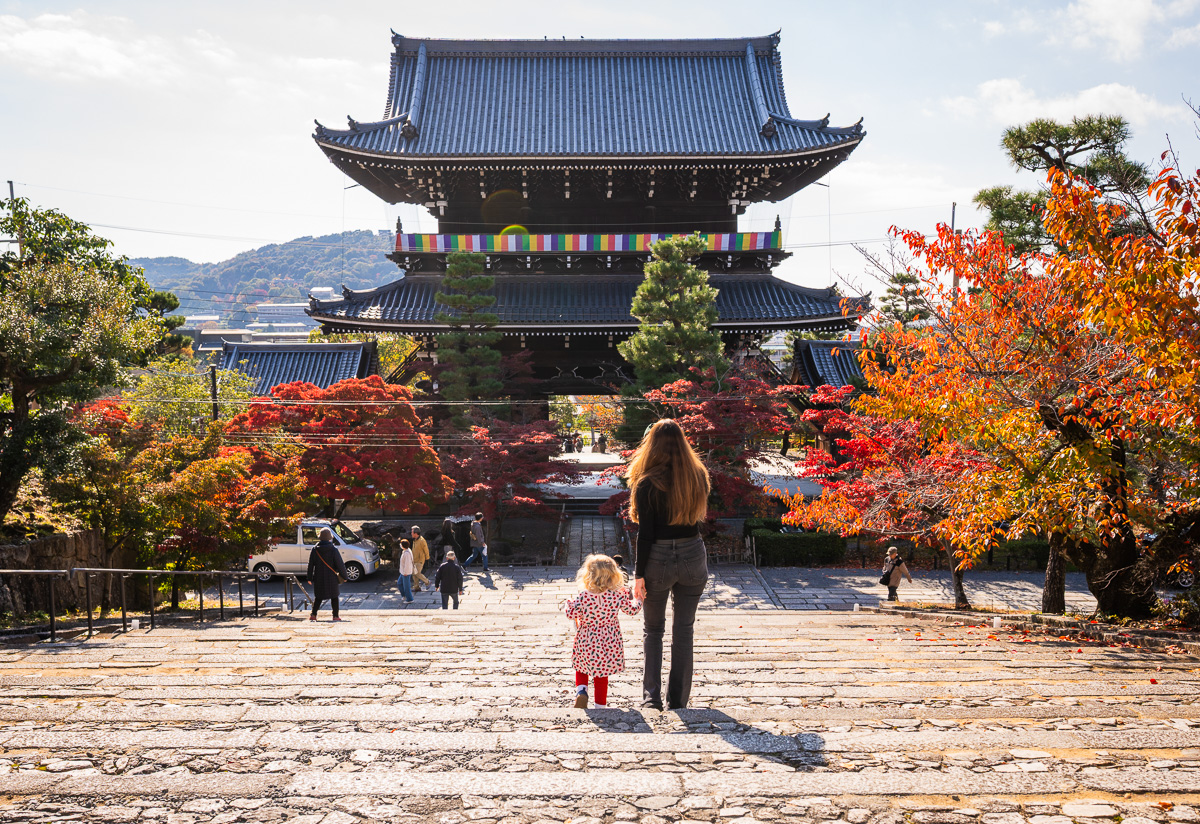
Ultimately, we’re really looking forward to revisiting Japan in 2026. Our hope is that it’s a sweet spot. A time of continued evolution and infrastructure enhancements as the country scales up to welcome more tourists…but without actually welcoming more tourists, thanks to a decrease in Chinese visitors. A time when the yen remains weak, making visits affordable…before Japan really gets aggressive with milking foreign visitors with excessive fees.
It would be hyperbole to say that the window of opportunity to visit Japan is closing. That’s hogwash. Japan will be a great country for tourists for decades to come. But it probably is fair to say that 2026 will be its own golden window of opportunity, and for all these reasons, we’d highly recommend planning a trip this year before too much changes!
If you’re planning a trip to Japan that includes Kyoto, we recommend that you start by consulting our Ultimate Guide to Kyoto, Japan to plan all aspects of our vacation. You should also check out our other posts about Japan for ideas on other places to visit!
Your Thoughts
Are you visiting Japan in 2026 or as soon as possible? If you’ve been recently, what’s your experience with crowds? What did you think of the experience? Would you recommend visiting now or waiting? Any questions about what we’ve covered here? Does visiting this spot in Kyoto interest you? Hearing about your experiences—even when you disagree with us—is both interesting and helpful to other readers, so please share your thoughts below in the comments!


Thank you for the update Tom. We are visiting early April 2026 and it will be our third trip! We are planning to stay in places a little out of the busiest areas like Wagokoro, Sendai, Karuizawa and Yokohama. Any experience in any of these areas and do you have any recommendations? We are a couple, enjoy walking and taking the train for day trips. Oh yes, we also booked 1 night in Hakone toward the end of our trip that overlaps with Yokohama so we can go overnight with just a small backpack. Thanks!
Hi Ravina. I enjoy visiting Nagoya. Some people say it is boring but I never tire of it and it’s easy to get to Tokyo or Yokohama or Osaka/Kyoto/kobe for day trips and last year we took the Shinkansen to Hiroshima for a day trip which is perfectly do-able internal flights fro Chubu go all over the country ie Okinawa, Hokkaido
Always such a good source of information! I visited Japan on my own in 2014, and I have been trying to figure out a way to make it back. My issue is time. Between when I have to work, when the kids are in school, and when the kids are doing their athletics, I can’t find a time to make a trip. Right now, we have June 2030 penciled in. But this article is making me rethink our options. The only other feasible option would be Christmas 2027 or 2028. But I hear horror stories about travel during the holidays in Japan (to be fair, that’s true about traveling during the holidays anywhere). Looks like I will be living vicariously through you some more!